Electricity Guide
Understanding TDU Delivery Charges
TDU delivery charges are the regulated fees that help cover the poles, wires, and local grid that bring electricity to your home. They are separate from your energy rate, apply no matter which retail provider you choose, and can meaningfully affect your total bill.
Plain English
What TDU charges cover
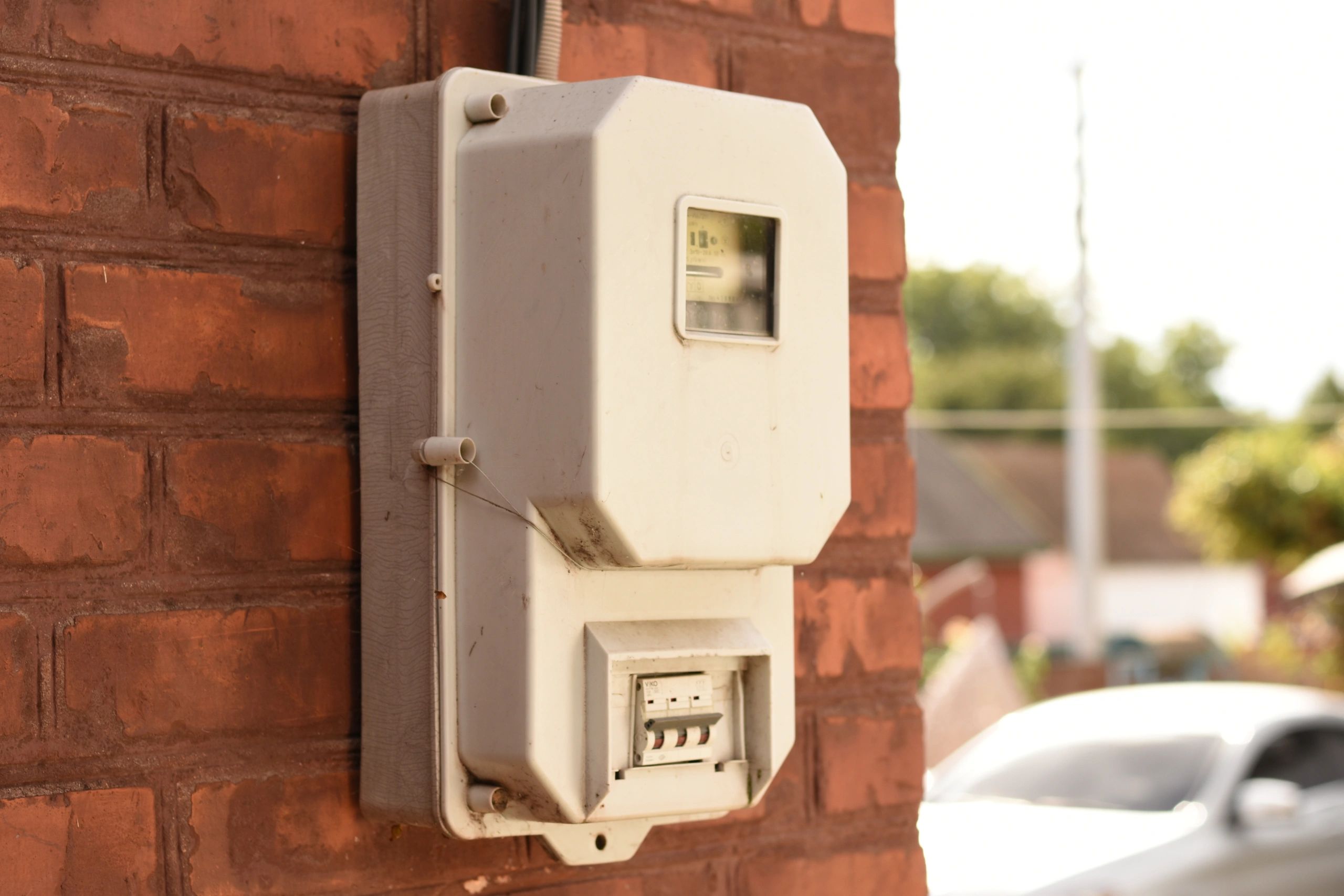
In most deregulated parts of Texas, your local Transmission and Distribution Utility maintains the physical delivery system. That includes power lines, poles, transformers, and meter-related infrastructure. These charges are regulated, not set by Texas New Energy, and they usually appear as a fixed monthly fee plus a usage-based charge per kilowatt-hour.
Local grid delivery
Metering infrastructure
Outage response
Regulated pass-through fees
Why it matters
How it affects your bill
When you compare electricity plans, the advertised energy rate is only part of the story. TDU delivery charges can raise the effective price you pay each month, especially if your usage changes.
Some plans show these charges clearly in the Electricity Facts Label, while others roll the math into average price examples at specific usage levels. That is why two plans with similar marketing rates can still produce different monthly totals.
The key takeaway: always look at the full pricing structure, not just the headline number, and pay attention to how delivery fees interact with your expected usage.
Common questions
A few quick answers to help you read TDU charges with more confidence.
Are TDU charges the same as my electricity rate?
No. Your electricity rate usually reflects the supply portion of the plan, while TDU charges cover delivery through the local utility infrastructure.
Can I avoid TDU delivery charges by switching providers?
No. If you live in an area served by a TDU, those regulated delivery charges still apply regardless of which retail electricity provider you choose.
Do TDU charges change?
Yes. They can be updated periodically by the utility and regulators, which means plan economics can shift over time even if the provider portion stays the same.
Where do I find TDU charges?
Check the Electricity Facts Label and pricing details for the plan. Look for a base monthly delivery fee and a per-kWh delivery charge.
Why do average prices vary by usage level?
Because fixed fees, usage-based delivery charges, and plan-specific pricing features all interact differently at 500, 1000, or 2000 kWh usage levels.
Who handles outages?
Your local TDU handles poles, wires, and outage restoration, even if you buy electricity from a different retail provider.